
Useful warmth for cold, wet miles — and when a smaller gift is enough
This guide covers the accessories runners actually add in a UK winter: gloves, headwear and neckwear, socks, and a light touch of visibility for dark runs — not shoes, jackets or full clothing layers.
Cold hands and ears can spoil a run surprisingly fast. A finished gift here is a clear choice for how they run — usually gloves plus one complementary piece — not a drawer of random logos.
Hands and ears are common weak points on cold runs. For typical UK winter running, wind and damp are often more useful things to plan for than heavy alpine insulation. Visibility helps on dark miles, but it shouldn't trump fit or comfort.
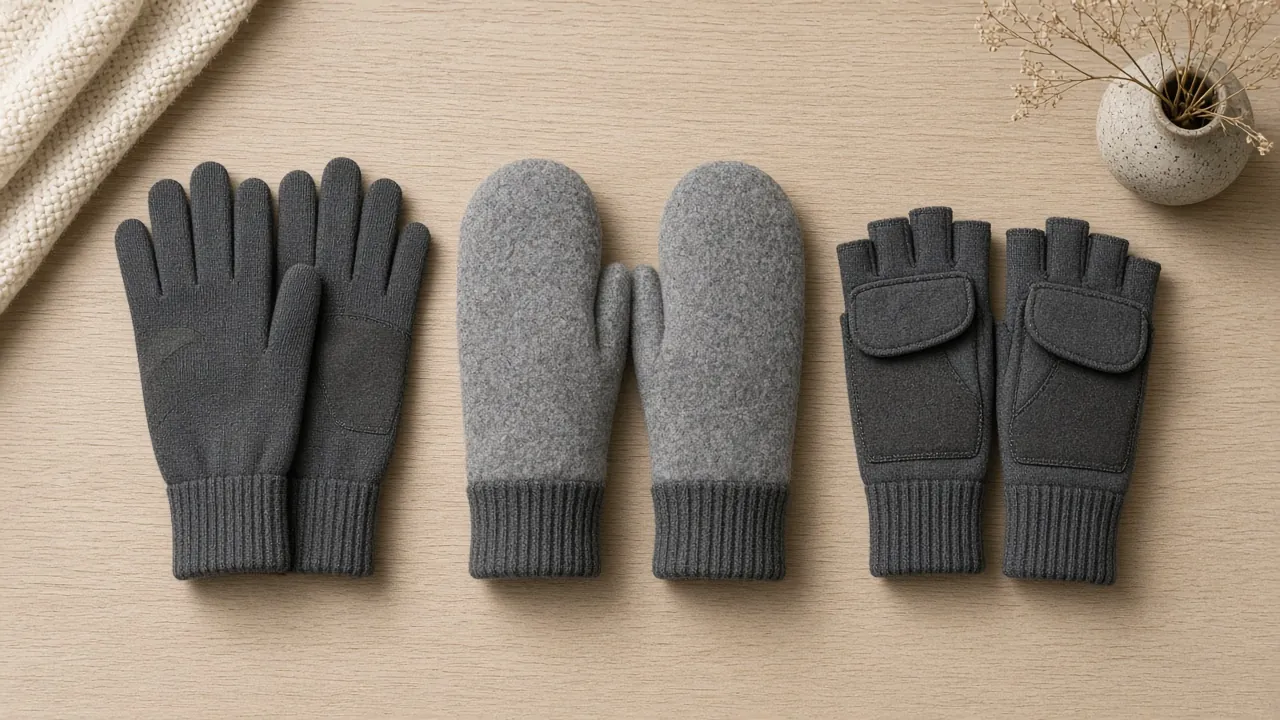
Touchscreen tips are worth checking on their phone — not a reason to buy on marketing alone. Size still matters: check a chart, keep returns easy. Guessing warmth preference or size is how good intentions become unused kit.
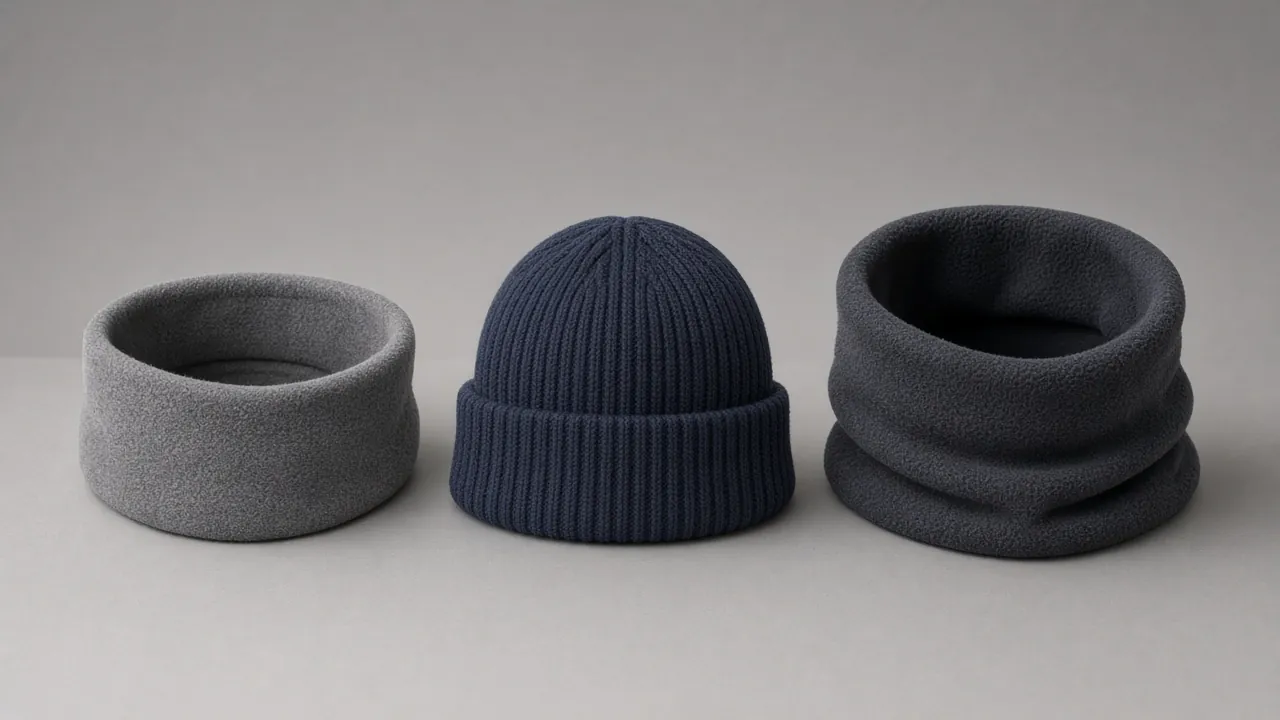
You rarely need all three. One primary head or neck piece plus gloves is usually enough.
Cold, wet feet can make a winter run miserable surprisingly quickly. Prefer moisture-managing running socks over ordinary cotton. Thickness is personal: some runners want a warmer pair for winter; others stick to their usual cushioning and just change the material. If you don't know sock size or blister habits, this is a weak solo gift — better as a top-up beside gloves.
UK winter daylight is short. Reflective detailing on gloves, a hat, or a neck gaiter is a useful bonus for pre-dawn or evening runs — not a reason to choose a worse-fitting piece. A simple clip-on light can help if they already run in the dark and don't have one; skip the full "safety kit" dump unless they've asked.
Merino and technical synthetics manage sweat and damp better than ordinary cotton, which tends to hold moisture and dry slowly. For wet, windy runs, wind resistance and moisture management usually matter more than a thick casual knit.
| Budget | What you usually get |
|---|---|
| Under £20 | One useful piece — gloves, headband, neck gaiter or socks |
| Around £20–£40 | A stronger single item, or two simpler complementary pieces |
| £40+ | More technical gloves or a fuller cold-weather pairing — only if both pieces fit how they run |
Prices move; treat these as "usually / around," not a catalogue. Fit beats spend.
You're not ranking twelve brands. You're picking gloves for how they actually run, then one complementary piece — head, neck, socks, or a dark-run extra — that matches a real weak point. Once those decisions are made, stop shopping.
If you're tempted to gift running shoes, accessories are usually the lower-risk choice: less sizing and gait guesswork, while still being useful on a wet winter morning.
Shopping for a runner at Christmas? Our Christmas gift ideas sort presents by who they’re for.
First published 1 October 2026. Last reviewed 1 October 2026.